Standard probes
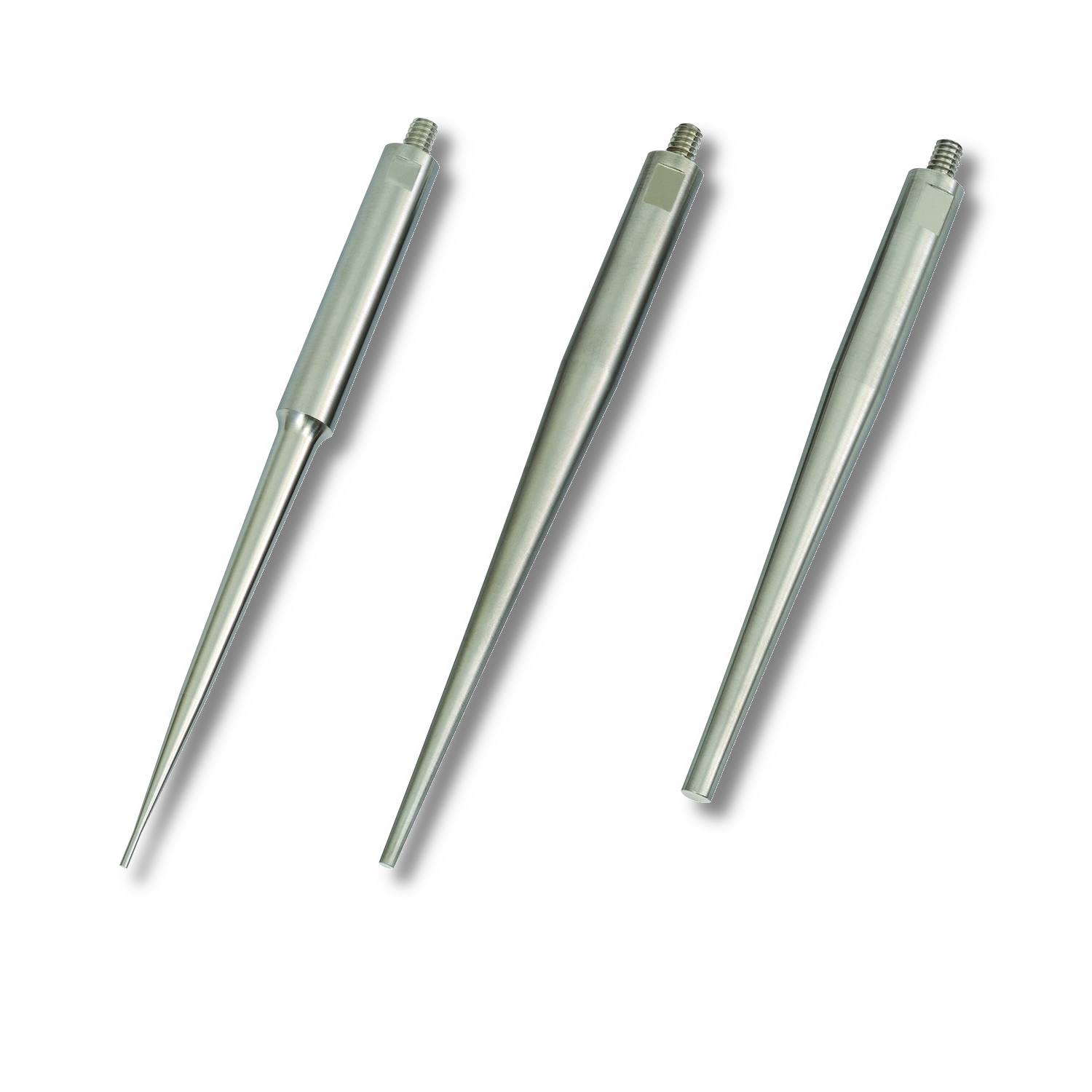
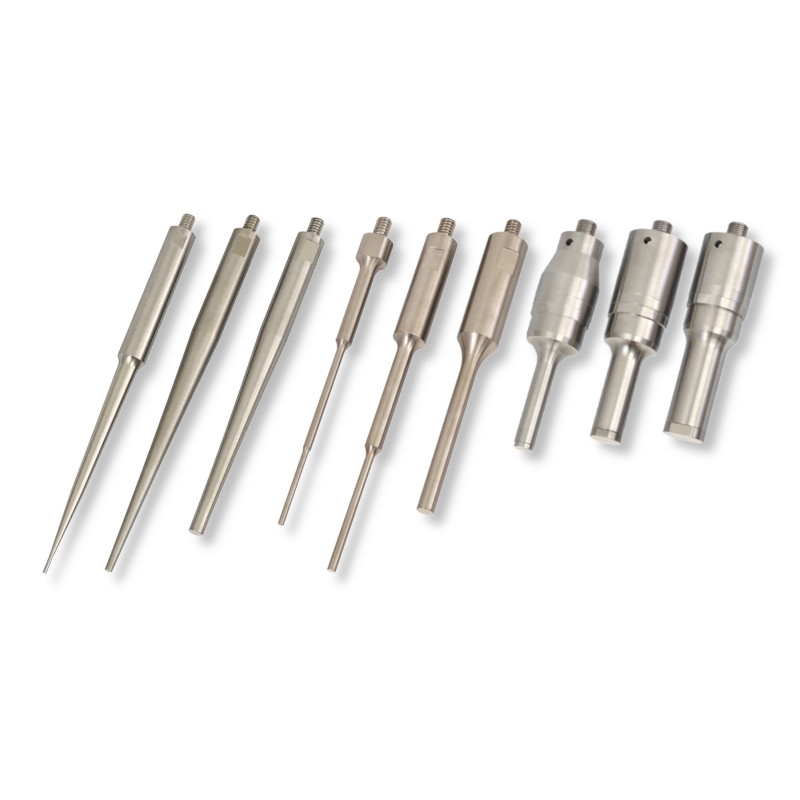
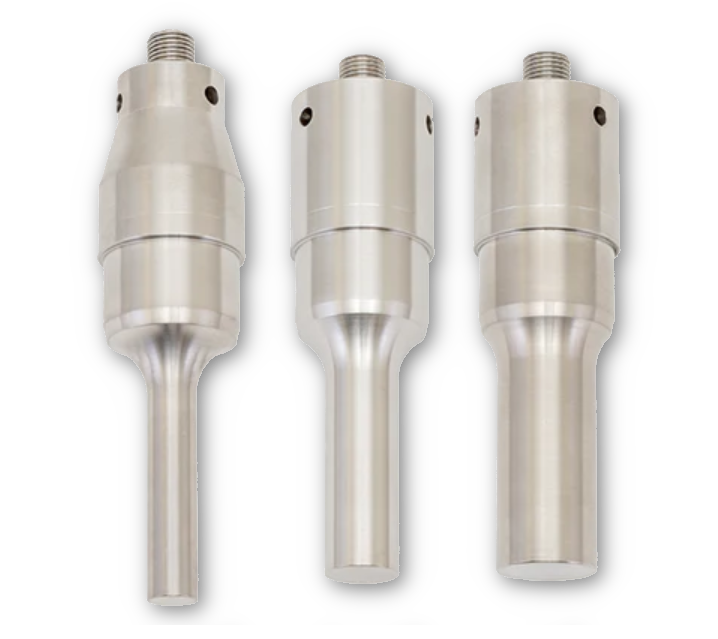
Probes (also known as horns) are made from titanium and machined to specific sizes and shapes. When driven at their resonant frequency, they expand and contract longitudinally. This mechanical vibration is amplified and transmitted down the length of the probe. In liquid, the probe causes cavitation which constitutes the main mechanism for sample processing.
Choosing the appropriate horn is extremely important. The sample volume to be processed is directly related to the tip diameter. Smaller tip diameters (Microtip probes) deliver high intensity sonication, but the energy is focused within a small, concentrated area. Larger tip diameters can process larger volumes, but offer lower intensity. Probes are offered with replaceable or solid tips.
Probe tips will pit or erode over time and require replacement. Using an excessively worn tip can affect your results and possibly overload the generator. Solid probes must be used for samples containing organic solvents or low surface tension liquids.

Replacement tips for standard probes
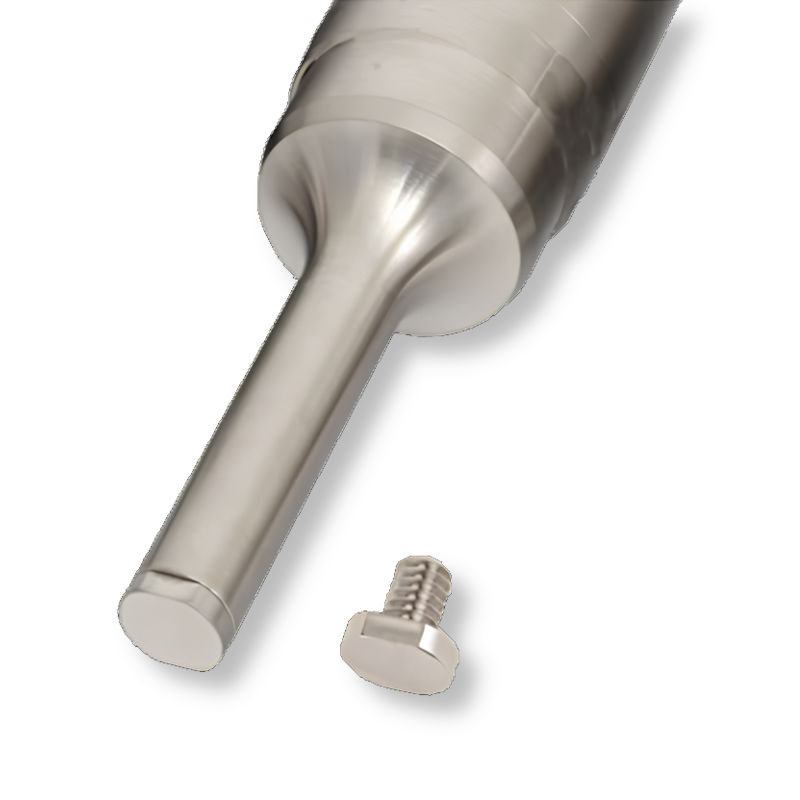
Standard ½″, ¾″ and 1″ probes also exist with replaceable tips. During normal use, tips erode and become less effective over time. These worn tips can be easily removed and replaced.
Microtip probes
Microtips are thin, high intensity probes which are designed for processing small sample volumes. Microtips screw into the threaded end of the standard ½″ probe (#Q4220). The stepped microtip and coupler assembly can be used to process 0.5-15 ml volumes in short narrow sample vessels. The probe tip remains 1/8” in diameter for 48mm.
Microtips are only recommended for short bursts of sonication. Small volumes heat up very quickly and when a microtip is run continuously both the liquid sample and probe tip will increase in temperature. Microtips should be used in pulse mode and samples chilled for optimum results.
Processing volumes less than 200 ul is not recommended with a microtip. A microtip cannot be properly submerged in such small volumes and will cause foaming, aerosols and overheating. If processing volumes less than 200 ul is required, it would be better to use a different accessory.